

The brief
A group of entrepreneurs is creating their next startup, and you must decide what this will be. The group is looking to create a product that clearly stands out from the crowd and disrupts the category. They are looking for:
• A brand name and identity
• Packaging design concepts
• Off-pack activation
Under the catergories of: Pistachio and Mushroom.
Idea Sparked: Pistachio wood
Since the brief allowed me to be disruptive, during the research on Pitaschio, it was difficult to find any information about pistachio wood instead of Pitaschio, which is all over the place. Hence, once again, this scarcity of pistachio wood information has sparked an idea in me that an interior branding could be a breath of fresh air. And Pistachio can technically be used for interior design, however there are important factors to consider:
1. Availability
Pistachio trees are primarily grown for their nuts, not for timber.
Mature trees that are no longer productive (usually after 20–30 years) can be harvested for wood.
This makes pistachio wood relatively rare and potentially expensive compared to more common hardwoods like oak, walnut, or maple.
2. Wood Characteristics
Pistachio wood is hard and dense, which makes it suitable for furniture, veneers, and decorative panels.
It usually has a fine, straight grain with a light to medium brown color, sometimes with a reddish hue.
It can be polished or stained to enhance its natural color.
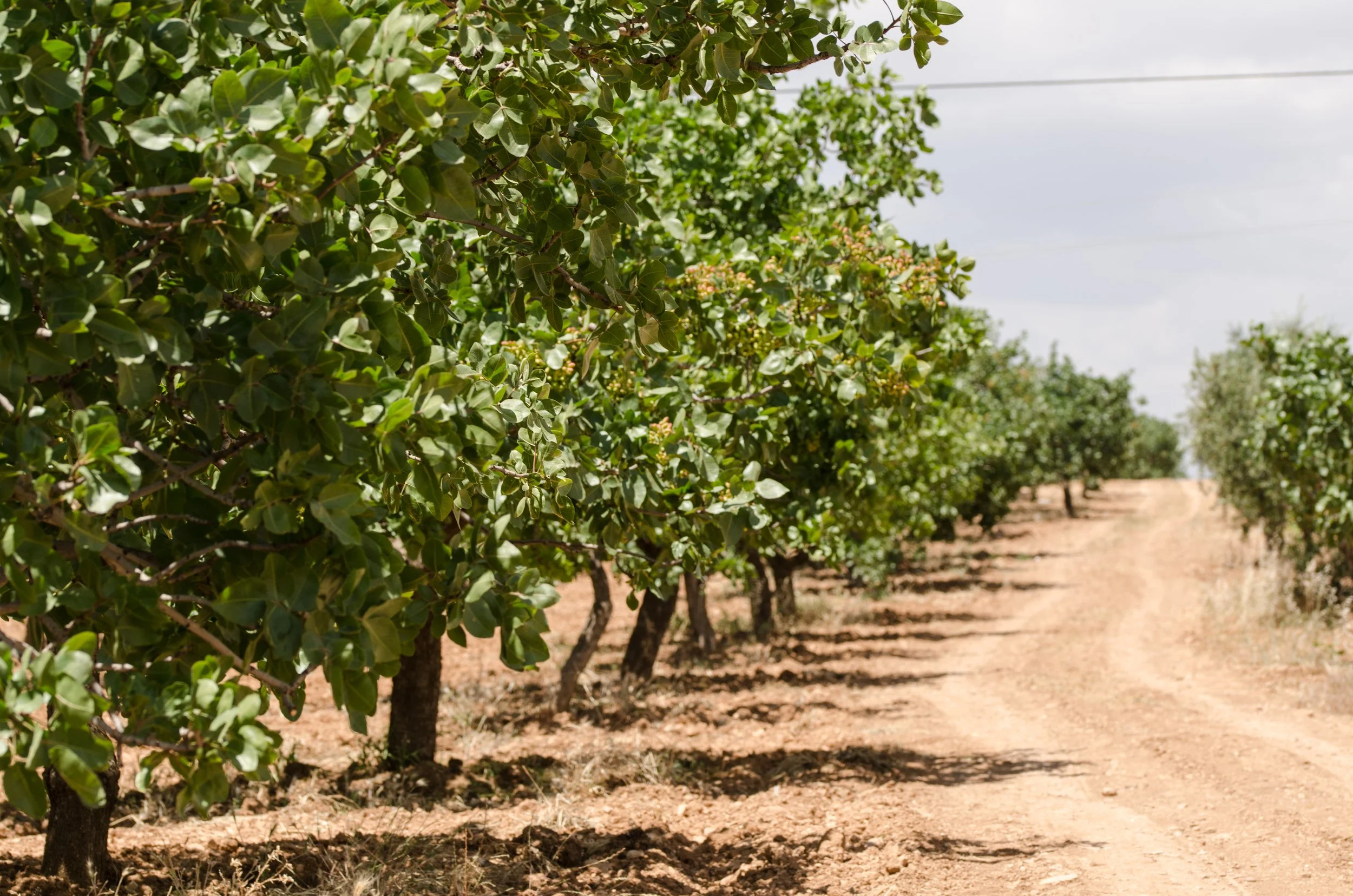
Fig 1: Pistachio Tree - Adobestock
3. Workability
The wood is strong but workable with standard woodworking tools.
It can be carved, laminated, and turned, making it versatile for interior design elements like cabinetry, flooring, or decorative pieces.
4. Durability
Pistachio wood is moderately durable, but like many nut trees, it may not be as resistant to insects or moisture as oak or teak.
Proper treatment and finishing can enhance its longevity for indoor use.
5. Applications in Interior Design
Small furniture pieces: chairs, stools, side tables.
Veneers and panels for walls or cabinetry.
Decorative objects: bowls, cutting boards, or inlays.
Accents: picture frames, lamp bases, or trims.
Bottom line: Pistachio wood is a niche, premium material for interior design. Its rarity and aesthetic qualities can make it a unique choice, especially for luxury or custom projects, but it’s unlikely to be used on a large scale due to limited supply.
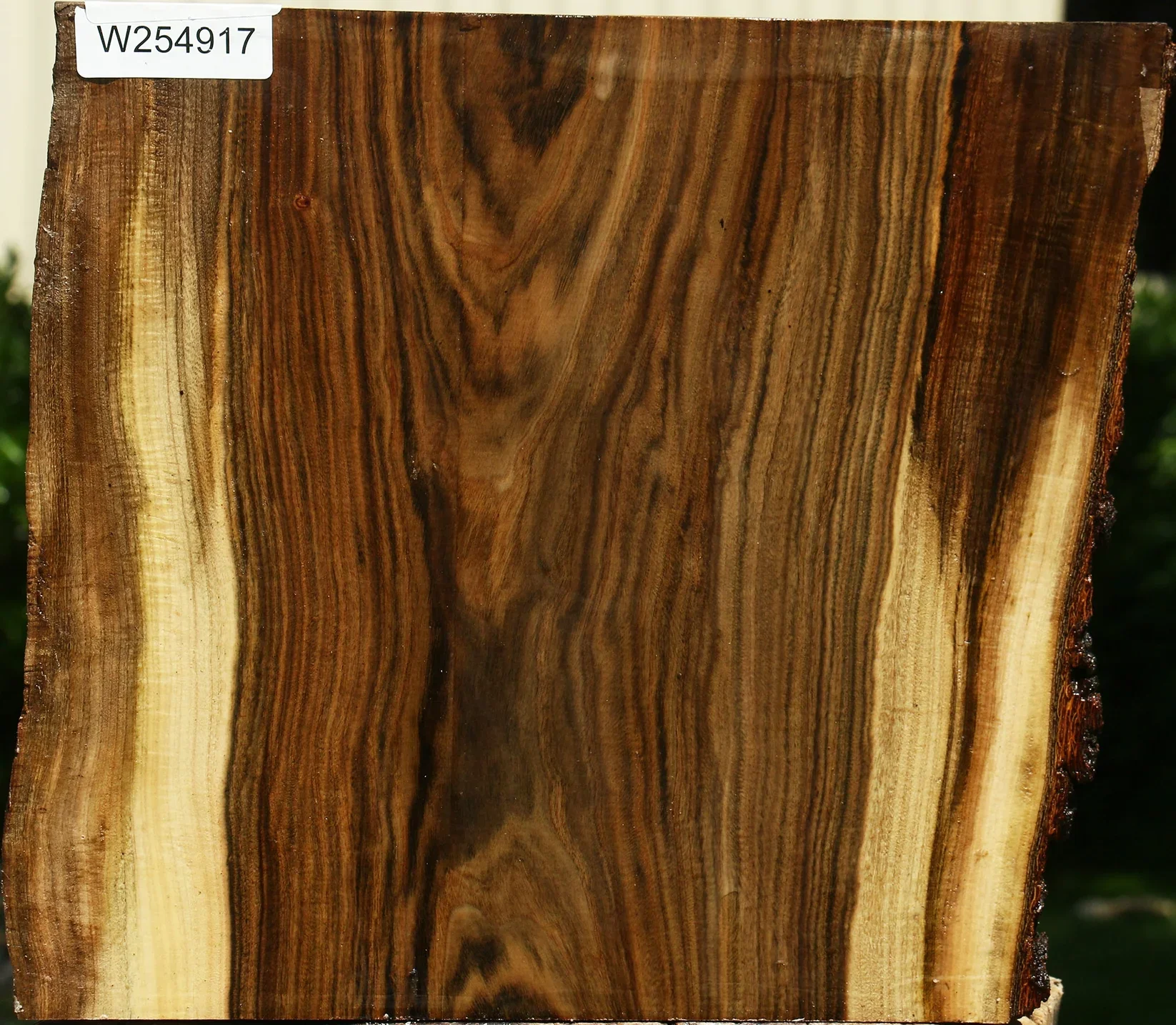
Fig 2: Figured Pistachio Live Edge Platter Blank - CookWood (https://www.cookwoods.com/products/pistachio-w254917)
Terra Pistacia
Naming: Terra Pistacia is a combination of:
Pistor / pistache (In French) / Types of Pistachio (Pistacia vera, Pistacia atlantica, Pistacia terebinthus) / - Grain d’Or Pistachio: “golden grain,” chic European feel
- Terra Pistacia: earthy luxury with Mediterranean heritage.
Stage 1: Customer research and visual enquiry
Brand Target Audience:
Home Decoration Savvy
Boutique Hospitality (Hotels, …) and developers
Design-savvy homeowners
Slow Living seekers
Brand Competitors:
Sebastian Cox (https://www.sebastiancox.co.uk/shop)
Angus Ross (https://www.angusross.co.uk/made-to-order)
Another Country (https://www.anothercountry.com/contemporary-craft/furniture/)
Audo ( https://audocph.com/#).
Analysis
Brand Essence and Positioning
*Competitors
Bossa Furniture
Core Identity: Curatorial gallery preserving Brazilian modern design.
Market Position: Ultra-high-end collectible market.
Key Emotional Appeal: Prestige, authenticity, timeless craftsmanship.
Audo Copenhagen
Core Identity: Scandinavian modern lifestyle integrating design and daily life.
Market Position: Premium lifestyle and interior design.
Key Emotional Appeal: Calm, minimalism, comfort, everyday beauty.
Sebastian Cox
Core Identity: Sustainability, slow design, material honesty, connection to woodland / natural materials. Working in harmony with nature through material honesty.
Market Position: Emphasis on “craft with nature” rather than mass-produced.
Positioned as a craft-based sustainability leader - a maker’s brand where every piece is a story of woodland ecology and craftsmanship. Appeals to eco-conscious design lovers and collectors of contemporary craft.
Key Emotional Appeal: Trust and belonging. Feels earthy, humble, and deeply authentic - evokes care, responsibility, and harmony with the land.
Ochre
Core Identity: Understated luxury expressed through material poetry and quiet beauty.
Market Position: Discreet, bespoke luxury interiors brand - handcrafted furniture and lighting for elite clientele.
Key Emotional Appeal: Sensual serenity. Feels elegant, tactile, and intimate - a quiet indulgence that whispers sophistication.
Angus Ross
Core Identity: Furniture shaped by Scottish woodlands and local craft traditions.
Market Position: Bespoke maker’s atelier producing sustainable, custom pieces - heritage craftsmanship meets ethical integrity.
Key Emotional Appeal: Integrity and pride. Feels grounded, earnest, and respectful - evokes heritage, tradition, and responsibility.
Brand Story
For most, the word pistachio brings to mind taste - a nut, a colour, a flavour.
But within Terra Pistacia, it begins with something deeper: the tree itself.
Beneath the familiar shell lies a wood of remarkable strength and character - one that has quietly endured for centuries, shaped by sun, wind, and time. Few have looked at pistachio beyond its fruit, yet its wood carries a story of resilience, beauty, and balance waiting to be told.
Terra Pistacia was born to tell that story.
We craft contemporary furniture that redefines how people see pistachio - not as something to eat, but as something to live with. Through refined forms and sustainable craftsmanship, we reveal the overlooked qualities of this extraordinary wood: its warm tone, intricate grain, and enduring functionality.
Our creations invite a new kind of awareness, one where material and meaning coexist, and where what once nourished the body now nurtures the home.
Only later do you discover: this is the spirit of a tree long rooted in the lands of sun and salt, a quiet testament to where beauty and endurance meet.
Brand Essence
Terra Pistacia redefines the art of sitting.
Born from the warmth of the Mediterranean and guided by sustainable innovation, the brand creates chairs that embody emotion, craft, and sunlight. Each piece tells a story of pistachio wood, slow living, and design that feels both intelligent and human.
At its heart, Terre Pistacia celebrates comfort as culture - turning an everyday act into a refined sensory experience.
Brand Purpose
To bring sustainable sophistication and emotional comfort into modern living spaces through designs that honor Mediterranean heritage, craftsmanship, and the simple joy of rest.
Brand Vision
To become the reference brand for Mediterranean-inspired sustainable chairs, globally recognized for merging design, ethics, and emotional storytelling.
Brand Mission
To design smart-chic, eco-luxury lounge and recliner chairs that combine timeless craftsmanship with material innovation, proving that sustainability can be both beautiful and sensorial.
Brand Value
Sustainability: Every chair is born from ethical materials and circular craftsmanship, pistachio wood, natural fabrics, and conscious production.
Mediterranean Heritage: Rooted in warmth, sunlight, and natural textures — celebrating the region’s relaxed elegance and cultural richness.
Craftsmanship: Each piece reflects devotion to handwork, tactile beauty, and honest design.
Innovation: Merging tradition with technology - refining comfort, function, and form through intelligent design.
Emotional Luxury: Comfort that feels soulful - turning sustainability into pleasure, not sacrifice.
